Facebook
 X
X
 Pinterest
 Copy Link
What to Consider When Buying a Home With a Pool

A backyard pool can be a dream come true, offering relaxation, entertainment, and even a boost to your home’s value, especially in warmer climates. However, before diving in, it’s important to weigh several key factors to ensure your investment aligns with your lifestyle, budget, and safety priorities.
Maintenance Costs
Pools require regular upkeep to stay clean, safe, and functional. Annual maintenance-including cleaning, chemicals, electricity, and repairs-typically ranges from $960 to $1,800, but total yearly costs can reach $3,000 to $6,000 when factoring in all expenses like equipment repairs and seasonal opening/closing. The type and size of the pool, as well as whether it’s saltwater or chlorine, can affect these costs. Concrete pools generally require more maintenance than fibreglass or vinyl-lined pools. Energy-efficient equipment can help lower ongoing expenses.
Safety Considerations
Safety is paramount, especially for families with children or pets. Key safety features to look for include:
- Secure fencing at least 4–5 feet high around the pool with self-latching gates, as recommended by safety organizations and often required by local laws.
- Pool covers and alarms for added security.
- Clear pool rules and supervision protocols, such as always keeping children within arm’s reach and never swimming alone.
- Proper storage of pool chemicals away from children.
Before buying, ensure the pool meets all local safety regulations and consider additional liability insurance, as pools can increase your homeowner’s insurance premiums.
Usage and Lifestyle
Think about how often you’ll realistically use the pool. If you love entertaining, swimming for exercise, or have kids who will use it regularly, a pool can be a great fit. On the other hand, if you travel often or prefer the beach, you may find the maintenance outweighs the enjoyment. Evaluate the pool’s size and depth to ensure it matches your intended use-whether for laps, leisure, or play.
Location and Climate
Ontario experiences cold winters with temperatures often dropping well below freezing, which means outdoor pools are typically seasonal and require winterizing to prevent damage. Pool owners must close their pools properly each fall, which involves draining water from pipes, covering the pool, and sometimes hiring professional closing services. Similarly, pool opening in summer also costs about $500 and involves cleaning and restarting equipment.
If you are more of a beach person or live near natural water bodies, you might weigh whether the limited seasonal use justifies the maintenance and heating costs of a private pool. Conversely, if your lifestyle includes frequent home entertaining or swimming for fitness during the warmer months, a pool can be a valuable and enjoyable asset despite Ontario’s 4-season climate constraints.
Long-Term Costs
Beyond routine maintenance, pools come with long-term expenses:
- Equipment repairs and replacements (pumps, filters, heaters, liners).
- Periodic resurfacing or major repairs, which can be costly.
- Increased utility bills from running pumps and heating the pool.
- Higher homeowner’s insurance premiums due to increased liability.
It’s also wise to request maintenance records and a professional inspection before purchasing to avoid unexpected repair bills.
Final Thoughts on Outdoor Pools
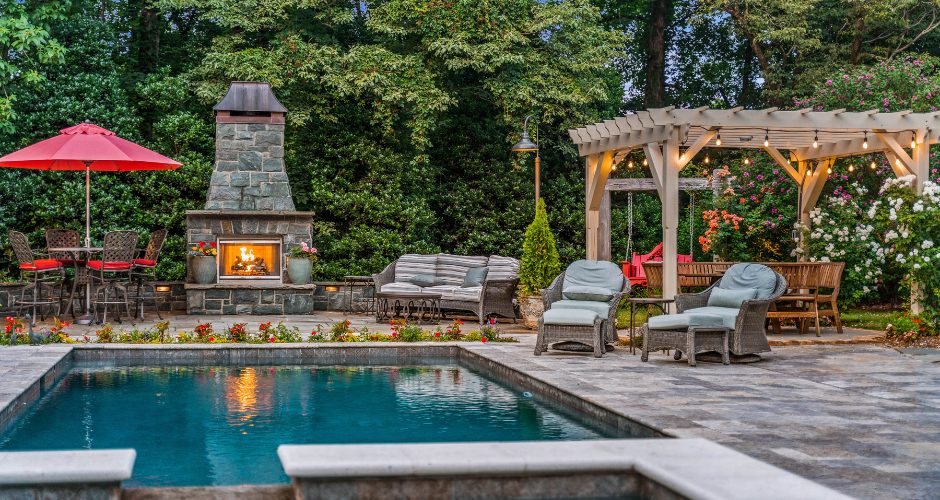
Buying a home with a pool can be rewarding, but it’s essential to factor in maintenance costs, safety requirements, your lifestyle, local climate, and long-term financial commitments. With careful consideration and due diligence, you can decide if a pool home is the right fit for you and your family. If you have questions or want expert guidance, please reach out for personalized advice.
Looking to buy, sell, or invest? As your REALTOR®, I’ll guide you every step of the way. Contact me today to schedule a free consultation and let’s turn your real estate dreams into reality!
For more information, contact:
Susan Moffat, REALTOR® with Century 21 In-Studio Realty Inc., Brokerage
519.377.5154
susan.moffat@c21.ca
Start Your Veggie Garden: Tips for Beginners to Grow and Thrive

With the May long weekend ushering in the unofficial start of summer, there’s no better time to start a vegetable garden. Not only can growing your own vegetables help reduce your grocery bill, but it’s also a rewarding way to enjoy fresh, homegrown produce right at your doorstep. If you’re new to gardening, here’s a simple guide to help you get started and set yourself up for success.
Choose the Right Location
- Vegetables thrive in sunlight, so pick a spot that gets at least 6 to 8 hours of direct sun each day. Fruiting crops like tomatoes and peppers especially need lots of light, while leafy greens can tolerate a bit less.
- Shelter your garden from strong winds to prevent seedlings from breaking and drying out.
Prepare Your Soil
- Healthy, rich soil is the foundation of a productive vegetable garden. Mix in plenty of organic matter such as compost or well-rotted manure to boost fertility and drainage.
- For container gardens, invest in high-quality potting soil to ensure good drainage and nutrient content.
- If your soil is heavy clay or too sandy, amend it with organic materials to improve its texture and water retention.
Pick What to Grow
- Focus on vegetables your household enjoys eating. There’s no sense in growing crops that will go to waste.
- Stagger your plantings every couple of weeks to keep your harvest coming and avoid being overwhelmed by a single crop all at once.
- Consider growing produce that’s expensive or hard to find at your local store, such as specialty herbs.
- Some of the easiest vegetables for beginners include lettuce, beans, tomatoes, peppers, peas, cucumbers, kale, and radishes.
Planting Tips
- Use the best quality seeds or transplants you can find for strong, healthy plants.
- Pay attention to planting depths and spacing-crowding can lead to disease and poor growth.
- Support taller plants like tomatoes and pole beans with stakes or trellises.
Care and Maintenance
- Mulch your garden with straw, shredded leaves, or grass clippings to retain moisture and suppress weeds.
- Water regularly, especially during dry spells, aiming for about 1–2 inches per week for most crops.
- Weed early and often to prevent competition for nutrients and water.
- Mix in flowers like marigolds, sweet alyssum, or zinnias to attract pollinators and beneficial insects, and to deter pests.
Container Gardening
- If space is limited, many vegetables and herbs thrive in containers. Use buckets or pots with drainage holes and quality soil.
- Move containers as needed to chase the sun or provide afternoon shade during heatwaves.
Harvest and Enjoy
- Harvest regularly to encourage more production and enjoy your veggies at their peak.
- Make notes about what worked well and what you’d like to try next year to continuously improve your gardening skills.
Final Thoughts on Starting Your Own Garden This Spring and Summer
Starting a veggie garden is a fantastic way to connect with your food, enjoy the outdoors, and add value to your home. Whether you’re working with multiple acres, a backyard plot, or a sunny balcony, these tips will help you grow a bountiful harvest all season long.
If you find yourself dreaming of a bigger backyard or more outdoor space to expand your gardening ambitions, I’m here to help! Contact me today to start your search for a home with the perfect garden space. Let’s find you a property where you can truly dig in and watch your gardening dreams grow!
Happy gardening!
Looking to buy, sell, or invest? As your REALTOR®, I’ll guide you every step of the way. Contact me today to schedule a free consultation and let’s turn your real estate dreams into reality!
For more information, contact:
Susan Moffat, REALTOR® with Century 21 In-Studio Realty Inc., Brokerage
519.377.5154
susan.moffat@c21.ca
Landscaping Choices That Can Hurt Your Home’s Resale Value
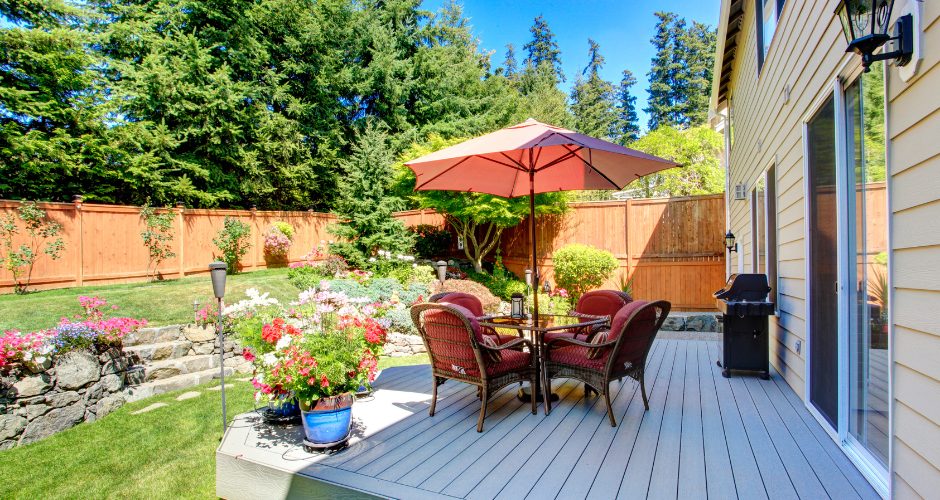
When preparing your home for sale, your landscaping can be a powerful asset-or a hidden liability. While attractive, well-maintained yards boost curb appeal, certain landscaping features can actually reduce your home’s value or make it less appealing to potential buyers. Here are four landscaping choices to approach with caution:
High-Maintenance Gardens
Lush, intricate gardens filled with specialty plants, elaborate flower beds, or extensive vegetable plots may look stunning, but they often require significant upkeep. Many buyers see high-maintenance gardens as a burden, not a benefit. Unless your buyer is an avid gardener, the thought of hours spent weeding, pruning, and watering can be a major turnoff. Studies show that buyers overwhelmingly prefer low-maintenance, easy-to-care-for yards that offer beauty without demanding too much time or expertise.
Artificial Grass
Although artificial grass is marketed as a low-maintenance, evergreen solution, it doesn’t appeal to everyone. Many buyers-especially families with children or pets-prefer natural grass for play and relaxation. Artificial turf can be expensive to remove, and some buyers worry about heat retention, environmental impact, or local restrictions. In fact, installing artificial grass can reduce your home’s resale value by as much as 5%, as buyers may factor in the cost of replacing it with natural lawn.
Too Much Concrete or Hardscaping
While patios and walkways can add value, excessive hardscaping, such as large concrete slabs or sprawling paved areas, can make your yard feel cold and uninviting. Buyers often want a balance of green space and hardscape for both aesthetics and usability. Overly large or poorly designed concrete patios may limit outdoor activities and reduce the overall appeal of your property. In some cases, a big concrete patio can actually hurt your home’s value, especially if it leaves little room for grass or gardens.
Highly Customized or Niche Features
Personal touches like koi ponds, elaborate fountains, oversized fire pits, or themed garden structures may reflect your tastes, but they can alienate potential buyers. Highly customized landscaping features often require specialized maintenance and may not suit the needs or preferences of most buyers. These niche additions can limit your buyer pool and rarely offer a good return on investment. Buyers may see them as projects to remove, not perks to enjoy.
Key Takeaways
- Keep it simple: Opt for classic, low-maintenance landscaping that appeals to the widest range of buyers.
- Balance is best: Ensure there’s a mix of greenery and hardscape, with plenty of usable outdoor space.
- Think resale: Avoid features that are costly to maintain, difficult to remove, or tailored to very specific tastes.
Final Thoughts on Landscaping
By steering clear of these landscaping missteps, you’ll help ensure your home makes a great first impression-and retains its maximum resale value. Of course, your home and yard should reflect your own tastes and lifestyle, and you should feel free to create the outdoor space that makes you happiest.
Looking to buy, sell, or invest? As your REALTOR®, I’ll guide you every step of the way. Contact me today to schedule a free consultation and let’s turn your real estate dreams into reality!
For more information, contact:
Susan Moffat, REALTOR® with Century 21 In-Studio Realty Inc., Brokerage
519.377.5154
susan.moffat@c21.ca
Stopping Scammers from Selling Your Home

Imagine coming back from vacation only to discover that a stranger has sold your home while you were away. As shocking as it sounds, this nightmare scenario is a real risk for homeowners due to a crime called title fraud. In these cases, scammers steal your identity using forged documents or fake identification, then transfer your property’s title to themselves. They can then sell your home or take out a mortgage in your name-leaving you to deal with the financial and legal fallout.
The good news: you can take proactive steps to protect your home, your finances, and your peace of mind.
What Is Title Fraud?
Title fraud usually begins with identity theft. A criminal obtains your personal information, creates fake documents, and then forges your signature to transfer the title of your home to themselves or an accomplice. Once they control your property’s title, they can:
- Sell your home without your knowledge
- Take out a mortgage against your property
- Disappear with the proceeds, leaving you with the mess to clean up
Title fraud is especially common when a property is vacant, fully paid off, or owned by someone vulnerable, such as an elderly homeowner.
How to Protect Yourself from Title Fraud
- Be careful with your personal information
- Only share sensitive information with trusted parties.
- Shred documents containing personal details before discarding them.
- Retrieve your mail regularly to prevent mail theft.
- Update your address with all contacts and service providers when you move, and set up mail forwarding.
- Monitor your finances and property
- Check your bank and credit card statements for irregularities.
- Regularly review your credit report for unauthorized activity.
- Search your property’s address online periodically to ensure it isn’t fraudulently listed for sale or rent.
- Get title insurance
- Title insurance won’t prevent fraud, but it does protect you from financial loss if you become a victim.
- It covers legal costs to restore your title and can compensate you if your home is fraudulently sold.
- Title insurance is a one-time purchase and protects you as long as you own your home.
- Work with trusted professionals
- Always use licensed real estate agents and legal professionals for real estate transactions.
- Avoid cash payments and insist on official documentation for every transaction.
- Special steps for mortgage-free homes
- In some regions, you can pull and secure the Duplicate Indefeasible Title Certificate (DIT), which “freezes” your property title and prevents any changes without your consent.
Recognizing Red Flags
Be alert for these warning signs:
- Unusual activity on your financial accounts
- Missing bills or statements
- Notices about changes to your property you didn’t initiate
- Your property appearing online for sale or rent without your knowledge
Final Thoughts
Title fraud is a growing threat, but you don’t have to be a victim. By staying vigilant, protecting your personal information, monitoring your property, and investing in title insurance, you can safeguard your home-often your largest financial asset-from scammers.
If you have questions about title insurance or want to learn more about protecting your property, reach out to a trusted real estate professional today. Your peace of mind is worth it.
Learn more at www.canada.ca
Disclaimer
This blog post is for informational purposes only and does not constitute legal advice. For advice specific to your situation, please consult a qualified lawyer or legal professional.
Looking to buy, sell, or invest? As your REALTOR®, I’ll guide you every step of the way. Contact me today to schedule a free consultation and let’s turn your real estate dreams into reality!
For more information, contact:
Susan Moffat, REALTOR® with Century 21 In-Studio Realty Inc., Brokerage
519.377.5154
susan.moffat@c21.ca