Facebook
 X
X
 Pinterest
 Copy Link
Preventing mould in your home starts with one key principle: control moisture wherever it appears. A dry, well-ventilated house is far less likely to develop the hidden mould issues that can trigger allergies, worsen asthma, and turn into costly repairs over time.
Why Mould Matters
Mould thrives in damp, poorly ventilated areas and can start growing within 24–48 hours on wet surfaces. Beyond being unsightly, it can aggravate respiratory issues, especially for people with allergies or asthma. Keeping mould at bay also helps protect your home’s structure and supports a healthier, more market-ready property when it is time to sell.
Everyday Moisture Control Habits
Simple daily routines make a big difference in preventing mould.
- Pat dry damp bathroom surfaces, like tiles and shower walls, after bathing or showering so moisture does not sit long enough for spores to grow.
- Wash or replace shower curtains regularly, as they are prime spots for mould in a humid bathroom.
- Run the bathroom exhaust fan during and after showers, and use the kitchen fan when cooking to vent steam and moisture outside.
- Cover pots when boiling or simmering to reduce excess humidity in the kitchen.
- Set a reminder when doing laundry so wet clothes are not left sitting in the washer or dryer, where mould and odour can develop quickly.
Managing Humidity and Ventilation
Keeping indoor humidity in a healthy range is one of the most effective ways to prevent mould.
- Aim to maintain indoor humidity between 30% and 50%, as higher levels create ideal conditions for mould growth.
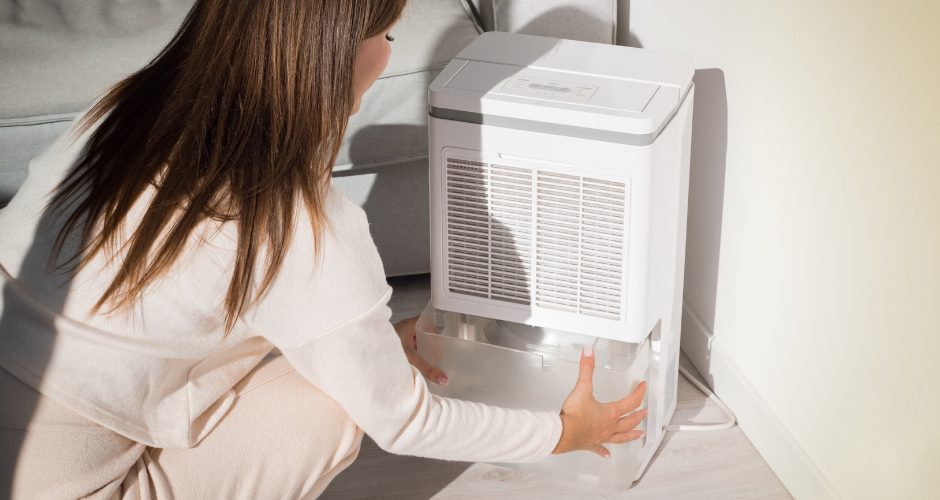
- Use a dehumidifier—ideally one that turns on automatically when humidity rises above about 60 percent—to keep basements and other damp areas in check.
- Heat your home adequately in winter to reduce condensation on cold surfaces like windows and exterior walls.
- If you see condensation on windows, wipe it dry promptly and consider reducing or stopping the use of humidifiers.
- On mild days when the furnace or AC is off, open windows to circulate fresh air and help dry out indoor spaces.
Fixing Problem Spots Quickly
Addressing small issues early helps you avoid larger mould problems later.
- Seal gaps around windows, doors, and electrical outlets where drafts and moisture can get in, and check regularly for signs of water intrusion.
- Fix any leaky pipes, faucets, or roof leaks as soon as they are noticed, since even slow drips can lead to mould in walls, cabinets, or ceilings.
- Pay attention to areas prone to dampness—basements, bathrooms, laundry rooms, and window sills—and dry any wet surfaces as soon as you spot them.
Smart Choices When Building or Renovating
Thoughtful building choices can make your home more mould-resistant over the long term.
- When updating bathrooms, kitchens, or laundry areas, choose mould-resistant products such as moisture-resistant drywall, insulation, and specialized paints for high-humidity spaces.
- Ensure proper ventilation is part of any renovation plan, including vented bathroom fans, range hoods that exhaust outside, and, where needed, improved attic or basement ventilation.
Final Thoughts on Mould Prevention
When it comes to mould, prevention is far easier—and more affordable—than remediation. With a few consistent habits and smart upgrades, you can keep your home drier, healthier, and more appealing to future buyers. If you are thinking about selling or want advice on which improvements will best protect your home’s value in our Grey Bruce market, reach out any time for guidance tailored to your property.
Looking to buy, sell, or invest in Grey Bruce, Ontario? As your REALTOR®, I’ll guide you every step of the way. Contact me today to schedule a free consultation and let’s turn your real estate dreams into reality!
For more information, contact:
Susan Moffat, REALTOR®
519.377.5154
susan.moffat@c21.ca