Facebook
 X
X
 Pinterest
 Copy Link
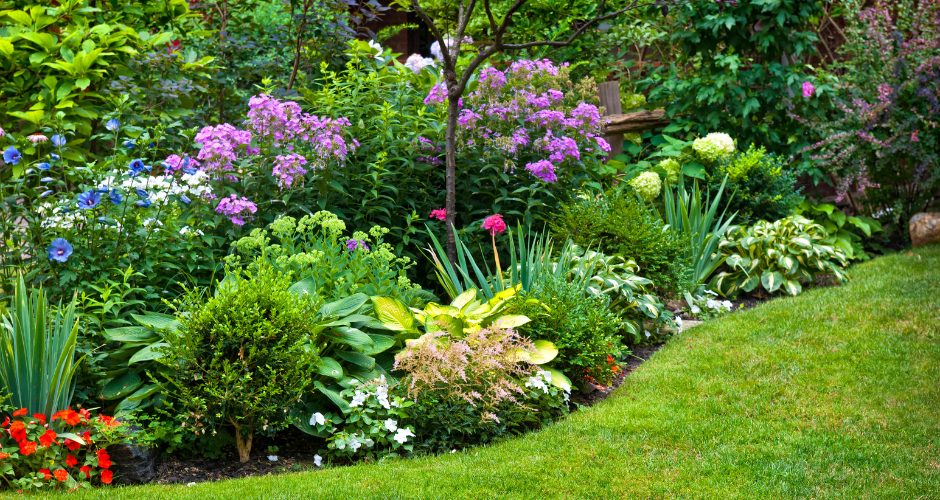
Pollinator gardens are more than just beautiful, they support local ecosystems, boost biodiversity, and can even enhance your property’s curb appeal. Whether you’re preparing your home for sale or simply want to make your outdoor space more inviting, creating a pollinator-friendly garden is a smart and rewarding investment.
Why Pollinator Gardens Matter
Pollinators like bees, butterflies, hummingbirds, and other beneficial insects play a crucial role in plant reproduction. In Ontario, many native pollinator populations are declining due to habitat loss and pesticide use.
By adding a pollinator garden to your yard, you help:
- Support local wildlife and biodiversity
- Improve the health of nearby plants and gardens
- Create a vibrant, colourful outdoor space
- Increase your home’s visual appeal for potential buyers
Choose the Right Location
Pollinators thrive in sunny, sheltered environments. Most flowering plants that attract bees and butterflies need at least 6 hours of sunlight per day.
When selecting a spot:
- Pick a sunny area protected from strong winds
- Avoid high-traffic zones where pollinators may be disturbed
- Ensure access to water or the ability to add a shallow water source
- Even a small corner of your yard or a few raised beds can make a big difference.
Focus on Native Plants
Native plants are the best choice for pollinator gardens in Grey County and across Ontario because they are adapted to the local climate and soil conditions.
Popular native options include:
- Black-eyed Susans
- Purple coneflowers
- Milkweed (essential for monarch butterflies)
- Wild bergamot
- Goldenrod
Aim for a mix of plants that bloom from early spring through late fall to provide a continuous food source.
Skip the Harsh Chemicals
Pesticides and herbicides can harm or kill pollinators, even when used in small amounts. A pollinator garden should be a safe haven.
Instead:
- Use natural pest control methods
- Encourage beneficial insects that help keep pests in check
- Accept a slightly “wild” look as part of a healthy ecosystem
This approach not only protects pollinators but also reduces maintenance over time.
Add Simple Features Pollinators Love
Beyond flowers, you can make your garden even more inviting with a few easy additions:
- A shallow dish of water with stones for landing
- Logs or brush piles for shelter
- Bare patches of soil for ground-nesting bees
- A variety of flower shapes and colours
These small touches can significantly increase pollinator activity in your yard.
Keep It Low Maintenance
One of the biggest advantages of a pollinator garden is that it doesn’t require constant upkeep. Native plants are hardy and typically need less watering and care once established.
To keep your garden thriving:
- Mulch lightly to retain moisture
- Leave some plant stems standing over winter for habitat
- Divide and replant as needed to fill out your space
A Feature Buyers Will Notice
Today’s homebuyers are increasingly interested in eco-friendly features and outdoor living spaces. A thoughtfully designed pollinator garden can set your property apart, offering both visual charm and environmental value.
Whether you’re planning to sell or simply want to enjoy your yard more, this is a project that delivers long-term benefits with relatively low effort.
Looking to buy, sell, or invest in Grey Bruce, Ontario? As your REALTOR®, I’ll guide you every step of the way. Contact me today to schedule a free consultation and let’s turn your real estate dreams into reality!
For more information, contact:
Susan Moffat, REALTOR®
519.377.5154
susan.moffat@c21.ca