Facebook
 X
X
 Pinterest
 Copy Link
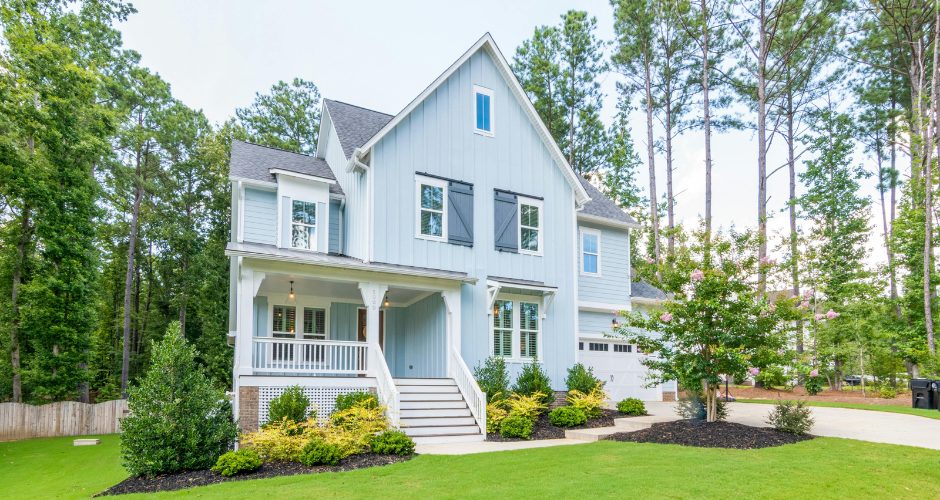
If you’re starting to feel like your current home no longer fits your needs, you’re not alone. Many homeowners reach a crossroads where they must decide: should you renovate your existing space, or is it time to move on and find something new?
Both options come with advantages and challenges, and the right choice depends on your goals, budget, and long-term plans. Here’s how to think through the decision with clarity.
When Renovating Makes Sense
Renovating can be a great option if you love your location and your home has strong potential.
Consider renovating if:
- You’re happy with your neighbourhood, commute, and community.
- The changes you need are achievable within your current structure (for example, updating a kitchen, finishing a basement, or adding a bathroom).
- You have built equity in your home and can access funds for improvements.
- Local home values support the investment you’re planning.
Renovations can increase your property value and improve your day-to-day living experience. However, it’s important to be realistic about costs, timelines, and disruption. Even smaller projects can take longer than expected, and larger renovations may require permits or temporary relocation.
When It’s Time to Relocate
Sometimes, no amount of renovation can solve the core issues with a home.
Moving may be the better choice if:
- You’ve outgrown your space and a renovation would be too costly or impractical.
- Your layout no longer suits your lifestyle (for example, needing a home office or multigenerational living space).
- You want to upgrade to a different neighbourhood or school district.
- Major structural changes would be required to achieve what you want.
Relocating gives you the opportunity to find a home that already meets your needs, often without the uncertainty of renovation timelines. In a market like Grey County, there may also be opportunities to find properties with more land, updated features, or better layouts.
Cost Considerations: Renovation vs. Moving
One of the biggest factors in your decision will be financial.
Renovating costs can include:
- Materials and labour
- Permit fees
- Temporary housing (if needed)
- Unexpected repairs or upgrades
Moving costs typically include:
- Real estate commission fees
- Legal fees
- Land transfer tax
- Moving expenses
While renovating may seem more affordable at first glance, costs can escalate quickly. On the other hand, moving involves upfront expenses but can provide a more predictable outcome.
Lifestyle and Long-Term Goals
Beyond finances, your lifestyle should play a major role in your decision.
Ask yourself:
- Do you see yourself staying in this home long-term?
- Will renovations truly solve your current frustrations?
- Are you emotionally attached to your home, or ready for a fresh start?
- How important is convenience versus customization?
For some homeowners, renovating allows them to create a dream space tailored to their exact needs. For others, moving offers a clean slate and less stress.
A Real-World Example
Imagine a family in Markdale needing more space for a growing household. They could invest in a costly addition or explore nearby properties with larger layouts already in place. If comparable homes are available at a reasonable price, relocating might offer better value and less disruption.
Final Thoughts
There’s no one-size-fits-all answer when it comes to renovating or relocating. The right decision depends on your budget, your goals, and how your current home fits into your future plans.
If you’re unsure which direction makes the most sense, having a clear understanding of your home’s current market value and what’s available locally can make the decision much easier. Contact me anytime for a free, no-obligation consultation to discuss your options!
Looking to buy, sell, or invest in Grey Bruce, Ontario? As your REALTOR®, I’ll guide you every step of the way. Contact me today to schedule a free consultation and let’s turn your real estate dreams into reality!
For more information, contact:
Susan Moffat, REALTOR®
519.377.5154
susan.moffat@c21.ca